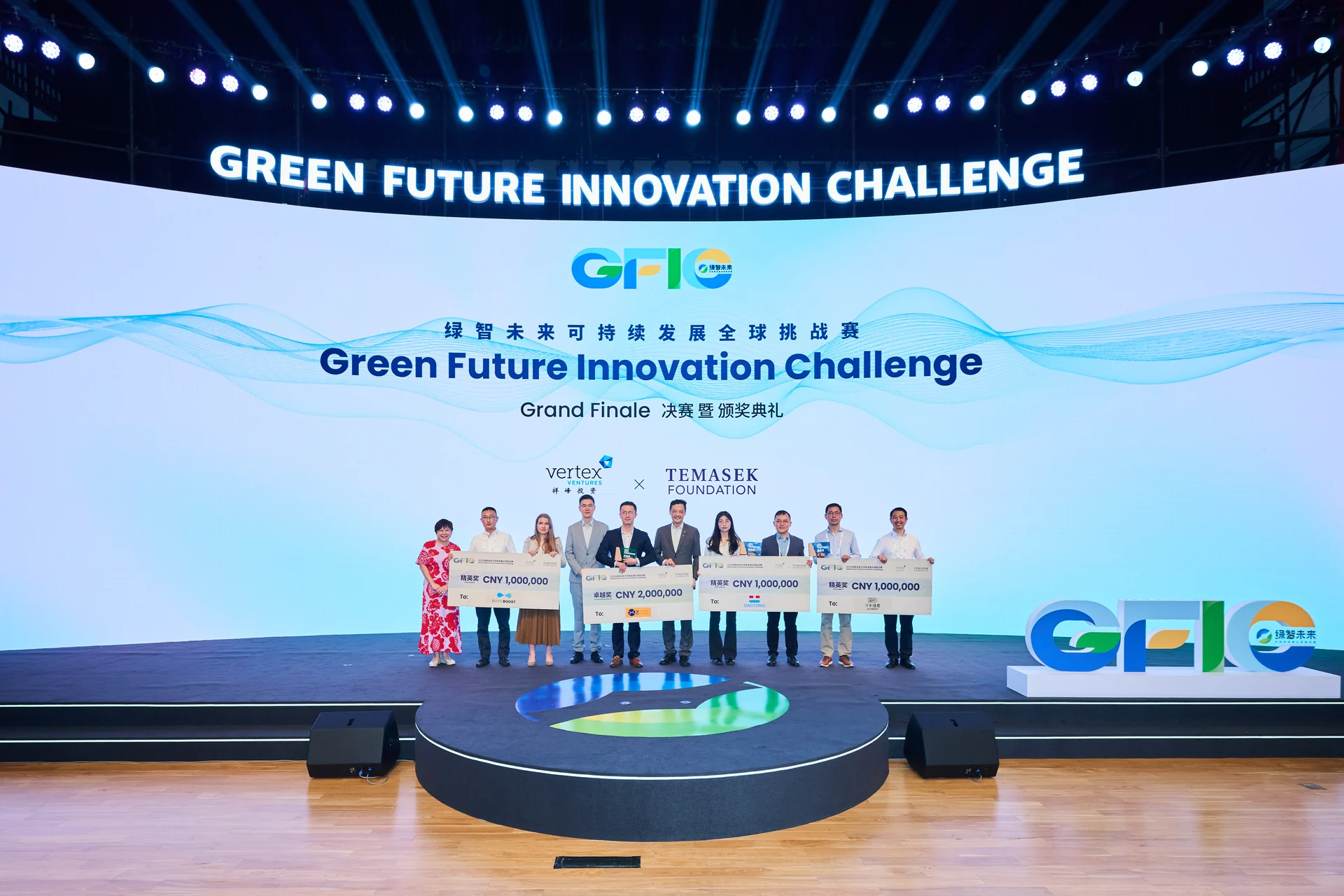

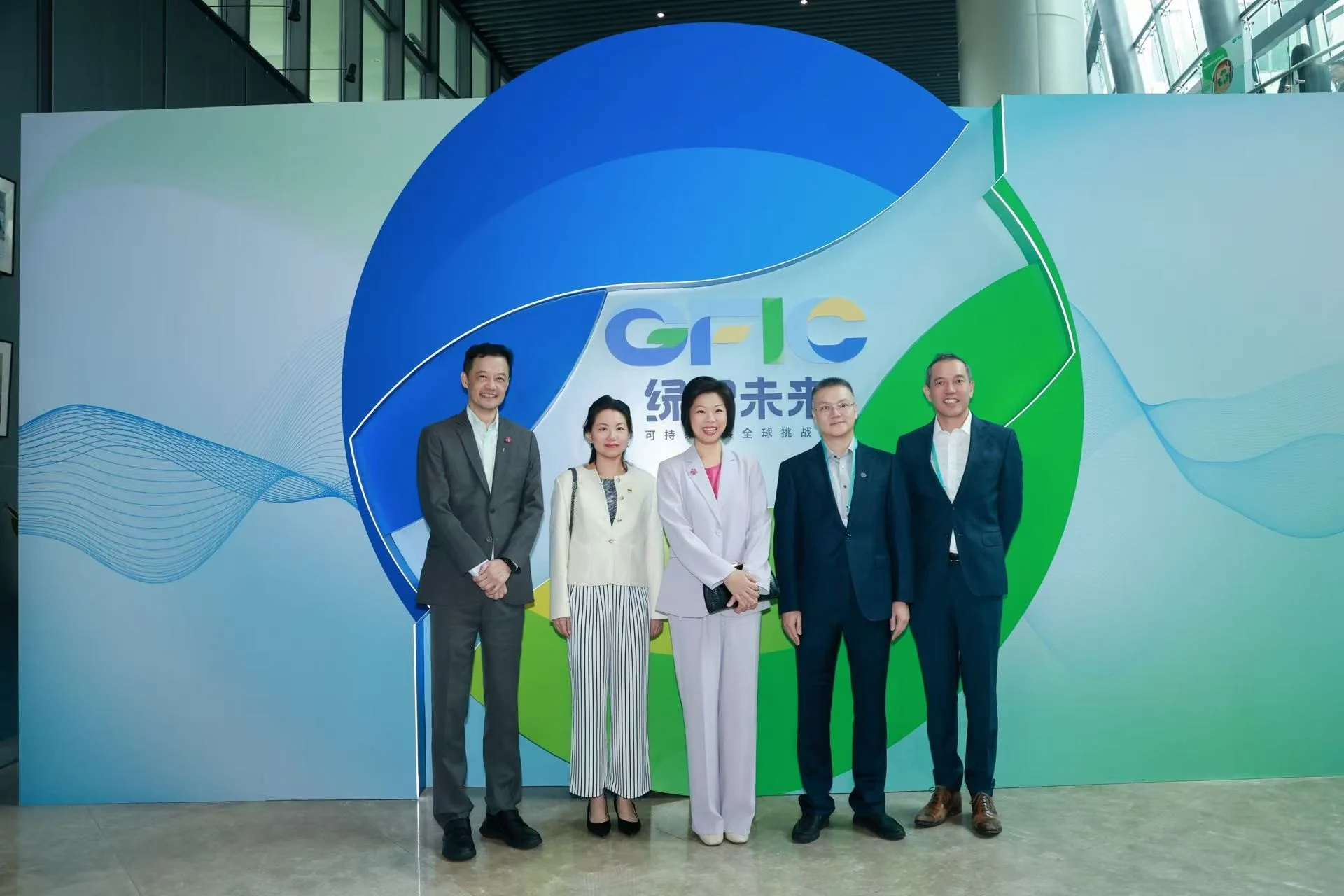
On 24 November 2025, the inaugural Green Future Innovation Challenge held its grand finale and awards ceremony at the Shenzhen University Town International Conference Centre. Sim Ann, Singapore’s Senior Minister of State for Foreign Affairs and Home Affairs and a Member of Parliament, attended and delivered remarks. Other government and diplomatic guests included Zuraidah Abdullah, Singapore’s Non-Resident Ambassador to Oman and a Board Director of Temasek Foundation; Zhou Suli, Deputy Chief of Mission and Minister-Counsellor at the Singapore Embassy in China; and Cai Danhong, Deputy District Mayor of Nanshan, Shenzhen.
Participants included Tay Choon Chong, Founding and Managing Partner of Vertex Ventures China and former Senior Vice President at GIC; Quek See Tiat, Board Director of Temasek Foundation, and Ng Boon Heong, its Chief Executive Officer; Ma Weihua, a member of UNDP’s SDG Impact Steering Group and former President of China Merchants Bank; Zou Ji, Chief Executive Officer and President of Energy Foundation China; Li Junfeng, Investment Partner at HongShan; and Dandan Fei, Partner at Guantao Law Firm in Shenzhen.
More than 500 people attended, including representatives of the Belt and Road Environmental Technology Exchange and Transfer Center in Shenzhen, the Shanghai Municipal Commission of Economy and Informatization, the Shenzhen Qianhai Financial Development Bureau, companies, financial institutions, innovation platforms, universities, industry associations and non-profit organisations. The programme included finalist pitches, guest addresses, keynote presentations, a panel discussion and the awards ceremony, with discussions on green technologies, industrial innovation and sustainable investment.
The challenge was jointly organised by Vertex Ventures China and Temasek Foundation, with Energy Foundation China as its strategic partner and the China Alliance of Social Value Investment as its public-benefit partner. It invited technically innovative and commercially viable green solutions from around the world, connecting research with industry, capital and practical applications.
Sim Ann calls for deeper Singapore–China cooperation on green development
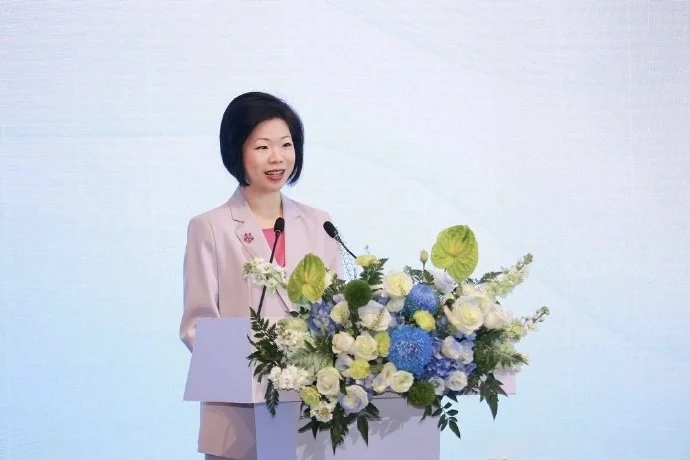
In her remarks, Sim Ann noted that 2025 marked the 35th anniversary of diplomatic relations between Singapore and China, with the green and digital economies offering important opportunities for further cooperation. China’s strengths in renewable energy, hydrogen, carbon-reduction technologies and advanced manufacturing complement Singapore’s capabilities in green finance, connectivity and innovation. The challenge provided a practical platform for cooperation in clean energy and sustainability.
She said that addressing climate change required participation by governments, businesses and philanthropic organisations, as well as collaboration across borders and industries to commercialise and scale innovative solutions. She also recognised Shenzhen’s progress in electrifying public transport and developing climate technologies, noting that three of the ten finalists came from the city.
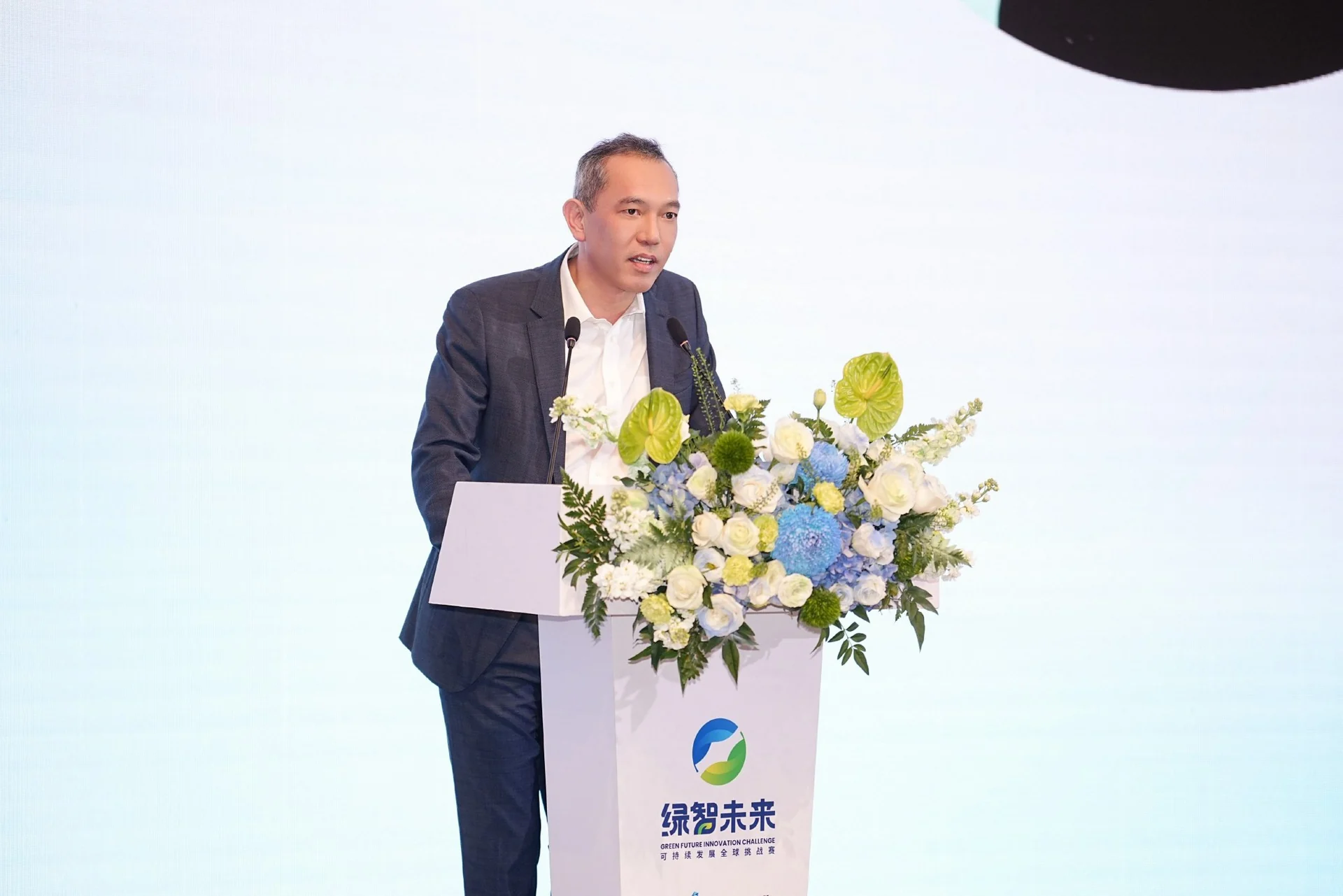
Tay Choon Chong and Ng Boon Heong speak on behalf of the organisers
Tay Choon Chong, Founding and Managing Partner of Vertex Ventures China and former Senior Vice President at GIC, delivered a welcome address on behalf of the organisers. He highlighted the significance of China’s green transition amid mounting global climate challenges. The competition sought to connect green-development needs with technological innovation and identify solutions to practical sustainability problems. Vertex Ventures China would continue supporting the winning projects as they moved towards industrial application.
As a co-organiser, Vertex Ventures China has invested in early-stage companies in China since 2009, including businesses in advanced manufacturing, carbon neutrality and new materials. Through the wider Vertex network, it provides capital and access to commercial partnerships. The challenge brought together technological innovation, industrial investment and sustainability expertise to identify commercially viable green solutions and support their industrial application.
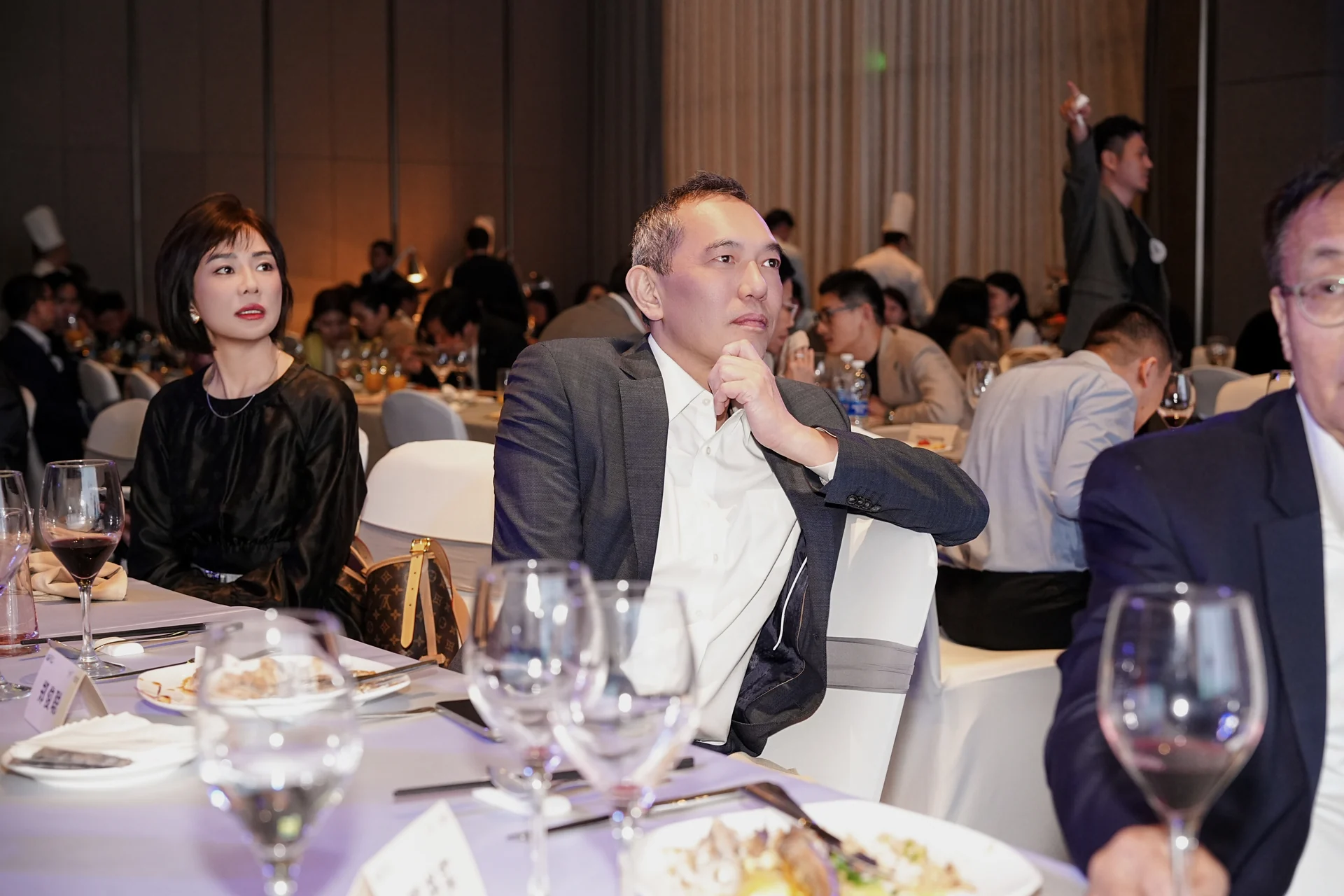
Ng Boon Heong, Executive Director and Chief Executive Officer of Temasek Foundation, said that regional cooperation and technological innovation were important drivers of sustainable development. China’s experience in green technology offered useful lessons for the transition to carbon neutrality. Temasek Foundation would continue working with partners in China and across the region to support green innovation and progress towards net zero by 2050.
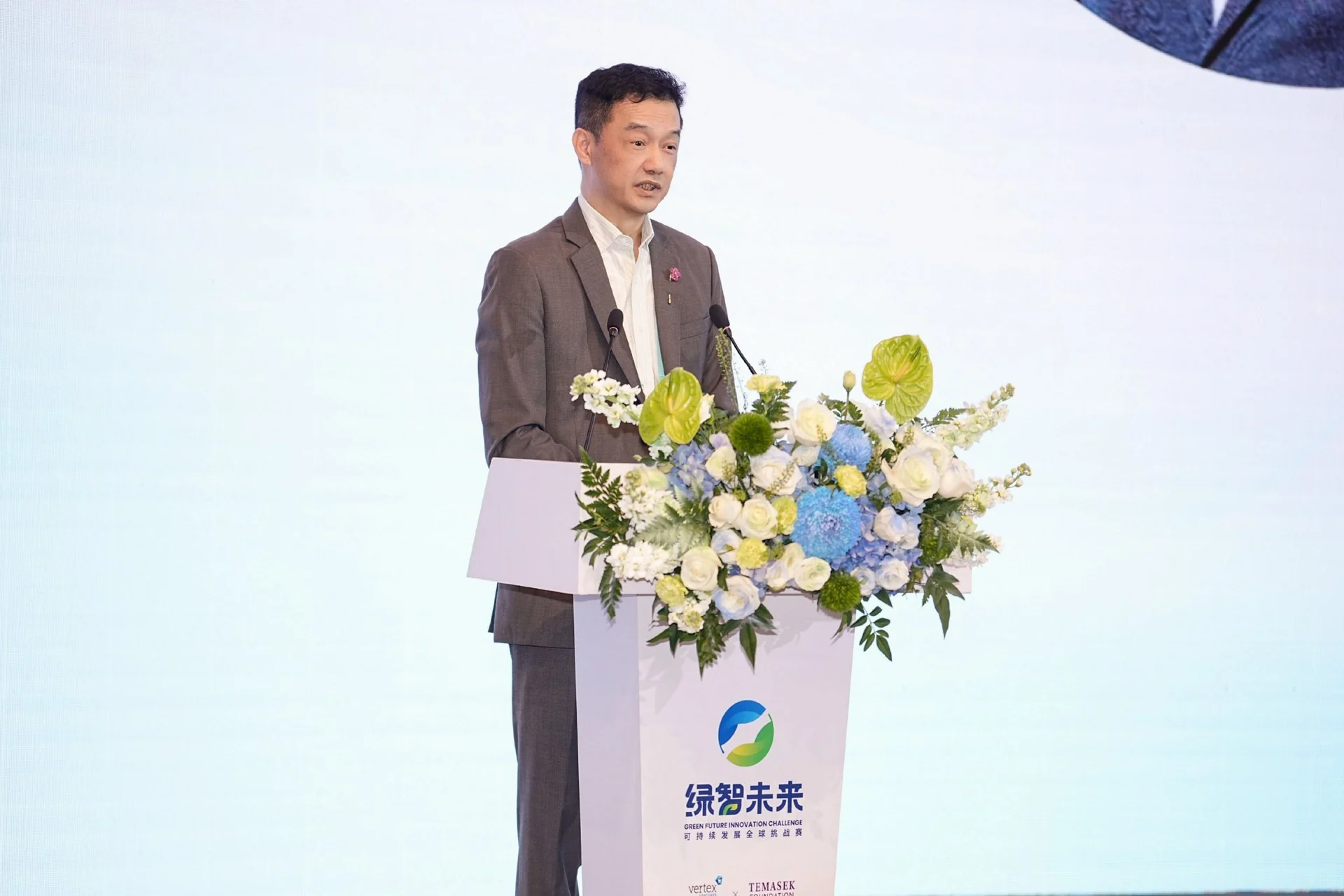
Ma Weihua, Zou Ji and other speakers discuss climate technology and green investment
Ma Weihua spoke about blended finance and the global expansion of the climate-technology industry. He noted that expansion into emerging markets often faced constraints in funding, technology and talent. Combining philanthropic, public and private capital could support early pilots, share project risks and attract additional market funding for the development and application of green technologies.
Ma said that China and Singapore had complementary strengths in climate technology and green finance, with opportunities for cooperation in blended finance, technology transfer and project implementation. Philanthropic capital could give innovative projects time and room to test and grow, helping promising technologies overcome early financing barriers.
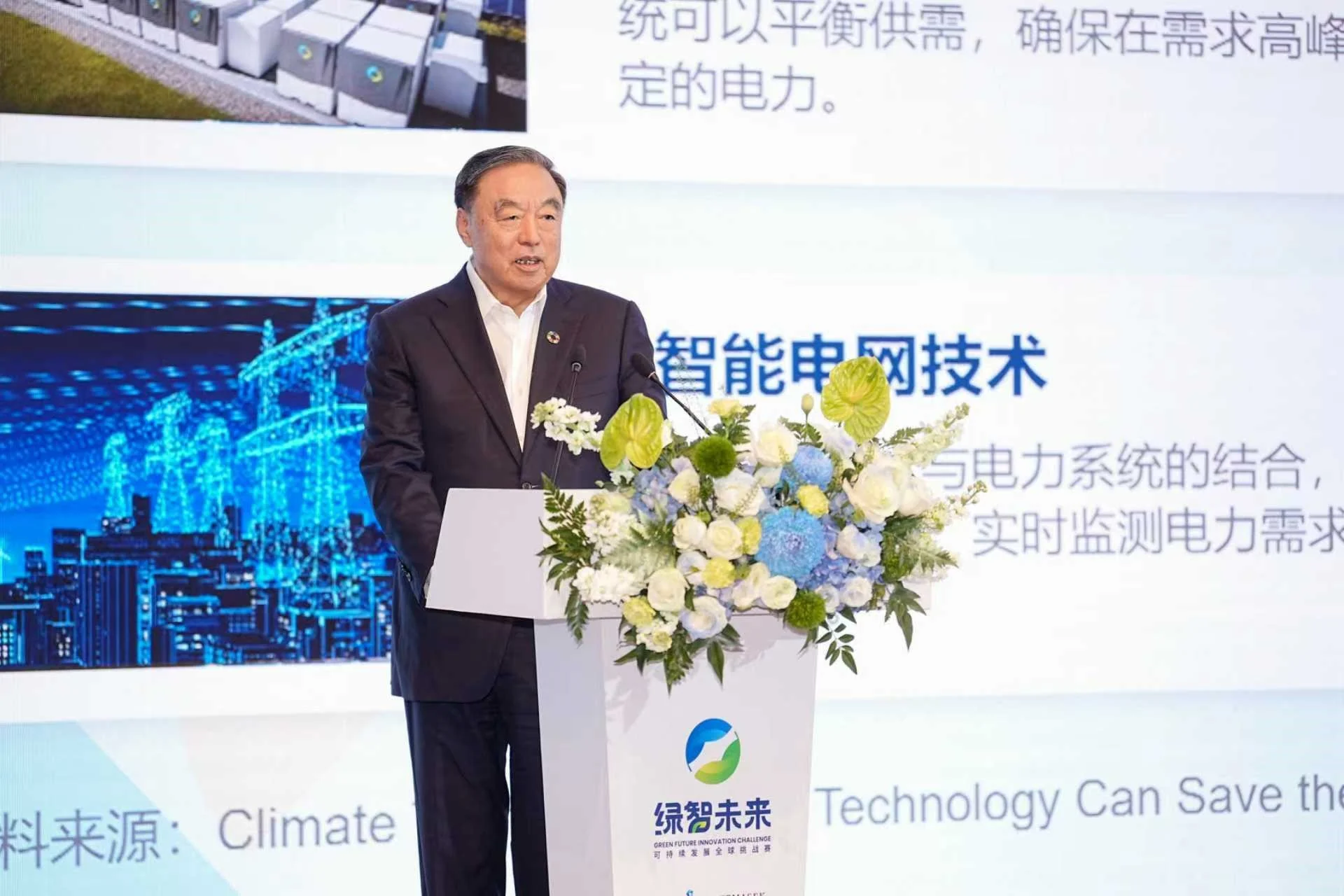
Zou Ji, Chief Executive Officer and President of Energy Foundation China and former Deputy Director of the National Center for Climate Change Strategy and International Cooperation, spoke about green transition and economic growth. He discussed the changing relationship between economic development and carbon emissions, and the potential for green investment to support growth. Delivering emissions reductions required development objectives, technological innovation, industrial investment, financing and policy support to work together.
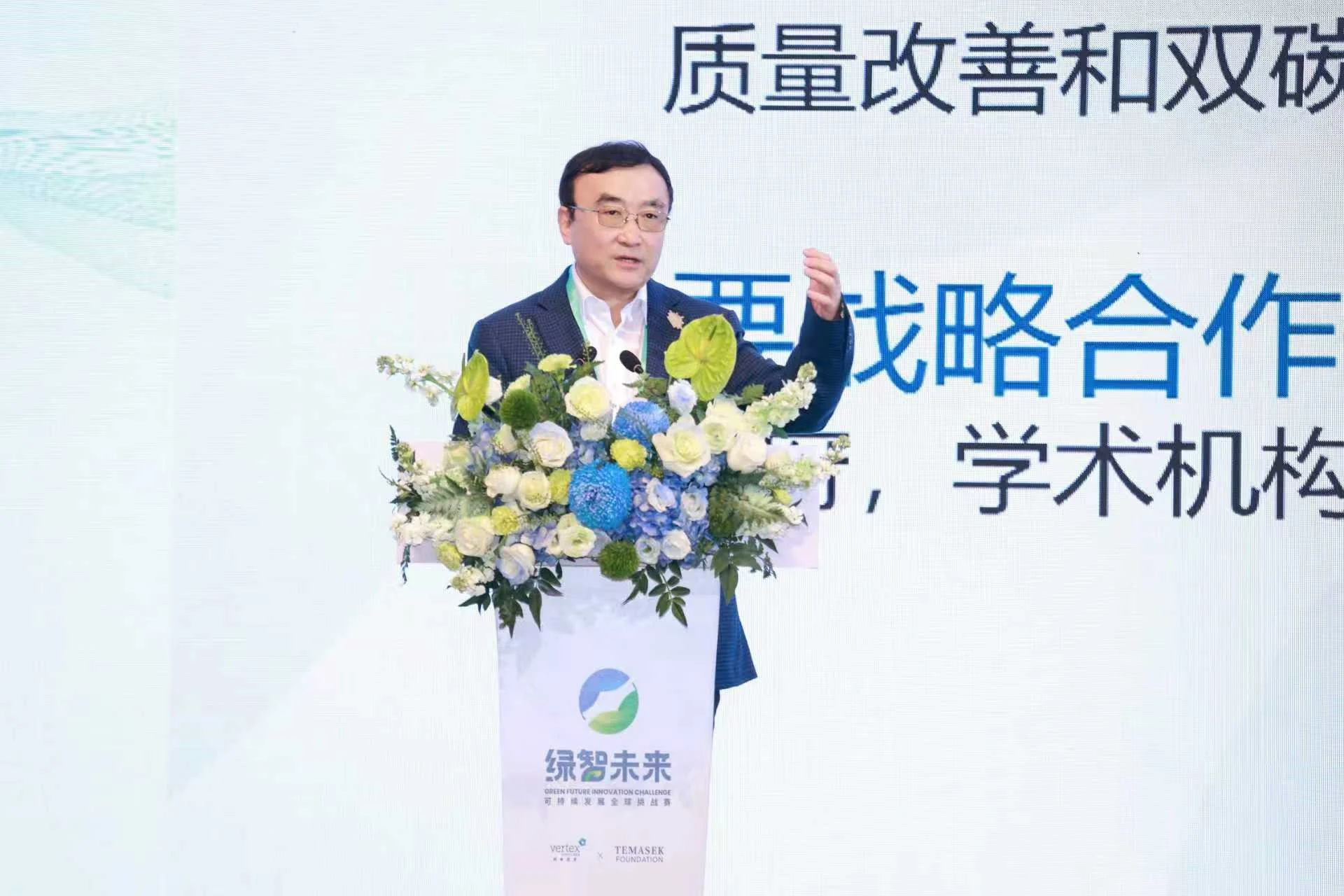
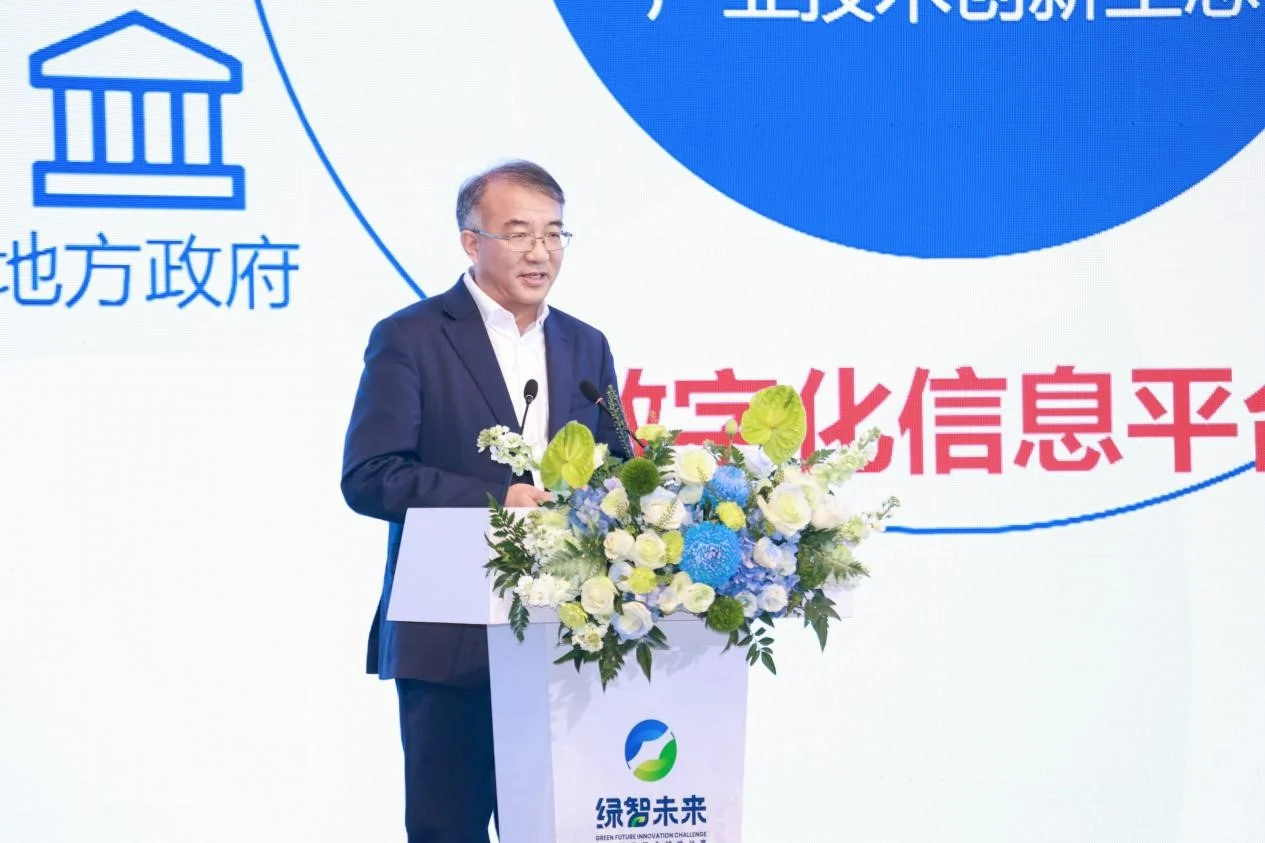
Liu Qing, a deputy to the National People’s Congress and Director of the National Innovation Center par Excellence, discussed the integration of technological and industrial innovation. He outlined experience in building innovation networks, evaluating projects and matching corporate research needs with resources. He called for stronger technology supply, a leading role for enterprises and support throughout proof of concept, pilot-scale development and commercialisation.
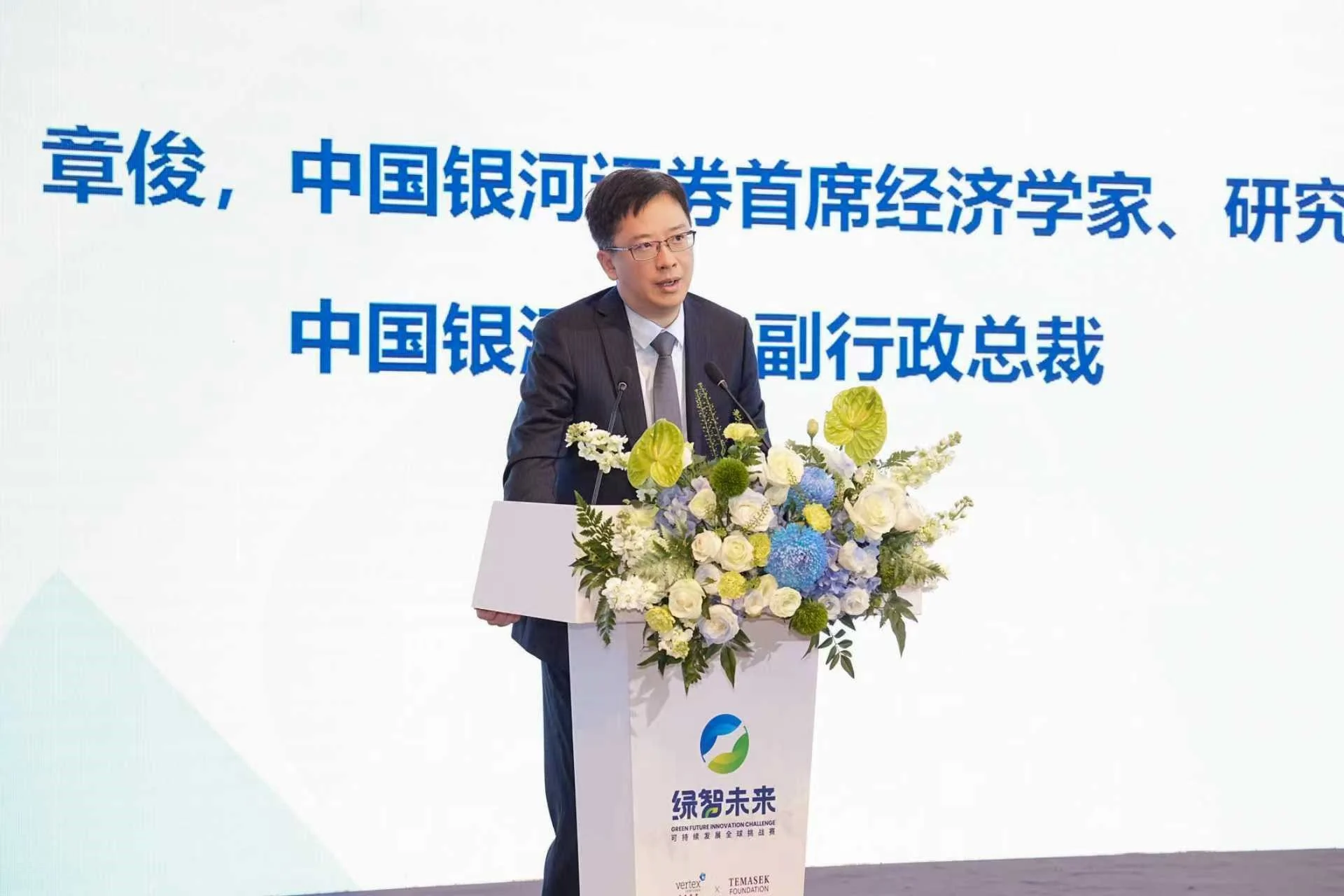
Zhang Jun, Chief Economist and Head of the Research Institute at China Galaxy Securities and Deputy General Manager Officer of China Galaxy International, spoke about how China’s economic scale could support green artificial intelligence. He considered the energy demands of AI alongside China’s large market, industrial supply chains and engineering talent, and the role of renewable energy in reducing data-centre emissions.
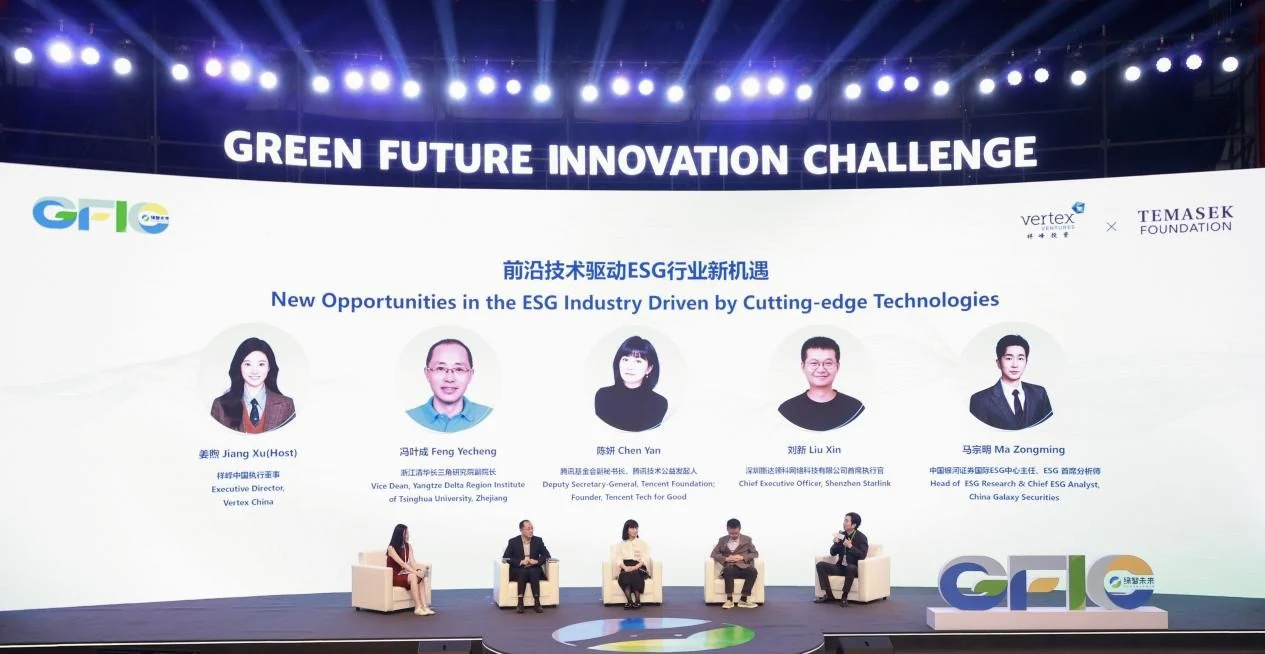
Frontier technologies and sustainable development
The panel on frontier technologies and new ESG opportunities included Feng Yecheng, Vice President of the Yangtze Delta Region Institute of Tsinghua University, Zhejiang; Chen Yan, Deputy Secretary-General of Tencent Foundation and an initiator of Tencent’s technology-for-good programme; Liu Xin, Founder and CEO of Shenzhen Starlink Network Technology Co., Ltd. (深圳斯达领科网络科技有限公司); and Ma Zongming, Director of the International ESG Center and Chief ESG Analyst at China Galaxy Securities.
The panellists discussed connecting research with industrial demand, using AI in public-benefit services, developing green consumer products and measuring corporate environmental, social and governance performance. Ma Zongming considered how ESG performance could inform capital-market valuation, including the use of quantitative indicators and mechanisms linking sustainability factors to corporate value.
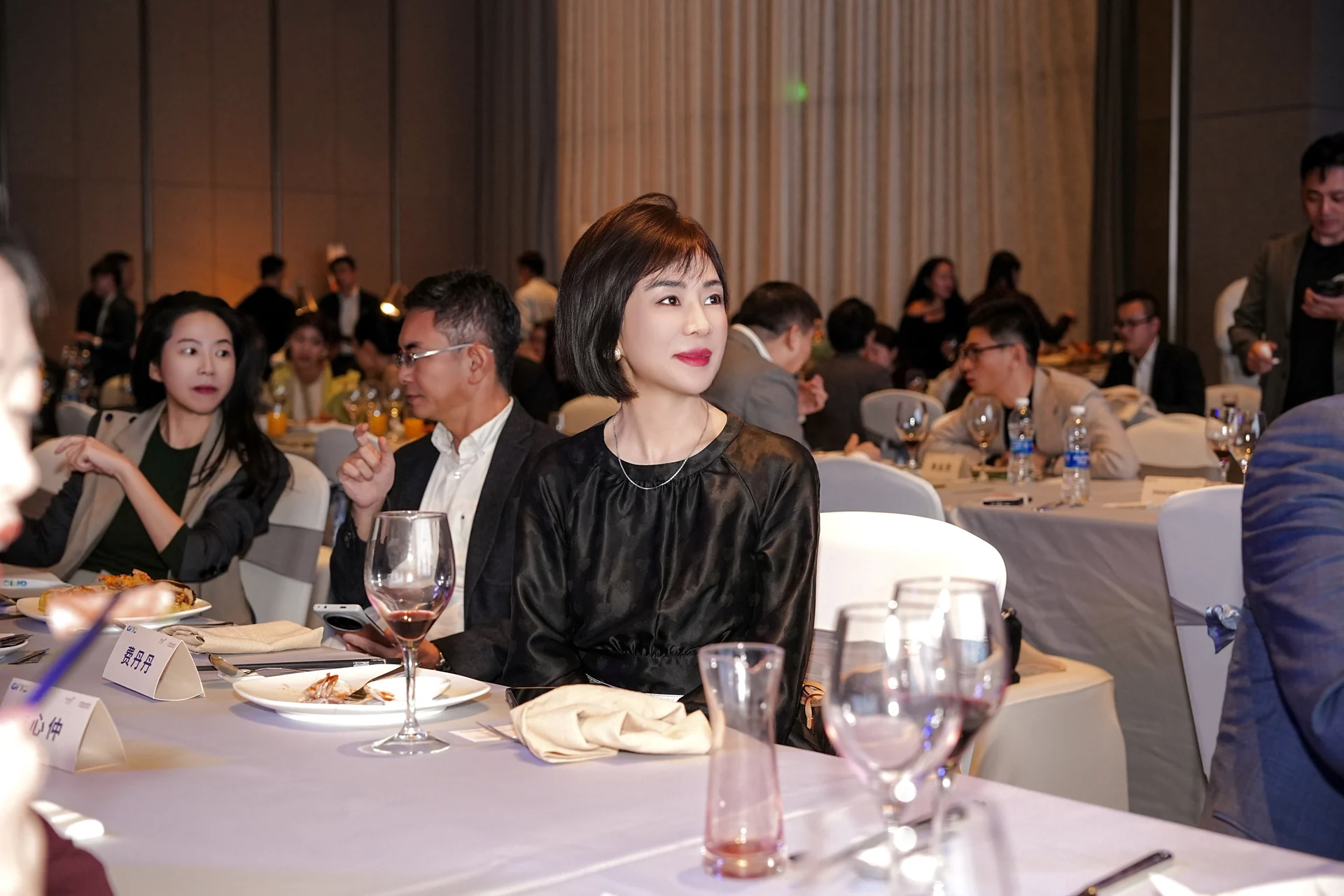
Bringing green technologies into industrial use involves project financing, transaction structures and coordination between domestic and overseas rules. Dandan Fei advises state-owned enterprises, technology companies and investment institutions across new energy, advanced manufacturing, biomedicine and artificial intelligence. Her work covers industrial investment, domestic and offshore fund formation, cross-border acquisitions and international expansion.
Four tracks identify green innovations, with four companies receiving awards
Launched in April 2025, the challenge covered industrial decarbonisation, energy transition, sustainable agriculture and pollution reduction. It received more than 1,000 proposals from around 70 countries and regions, with ten projects progressing to the final. Pitches and questions from the judging panel examined the proposed technologies, commercial potential and routes to practical application.
Tianjin Feynman Dynamics received the Outstanding Award and RMB 2 million. Shenzhen Daotong New Energy, ROTOBOOST and Shenzhen ZH Energy Storage received Elite Awards of RMB 1 million each. Their projects addressed carbon-dioxide utilisation and green fuels, retired-battery recycling, industrial emissions reduction and long-duration energy storage.