
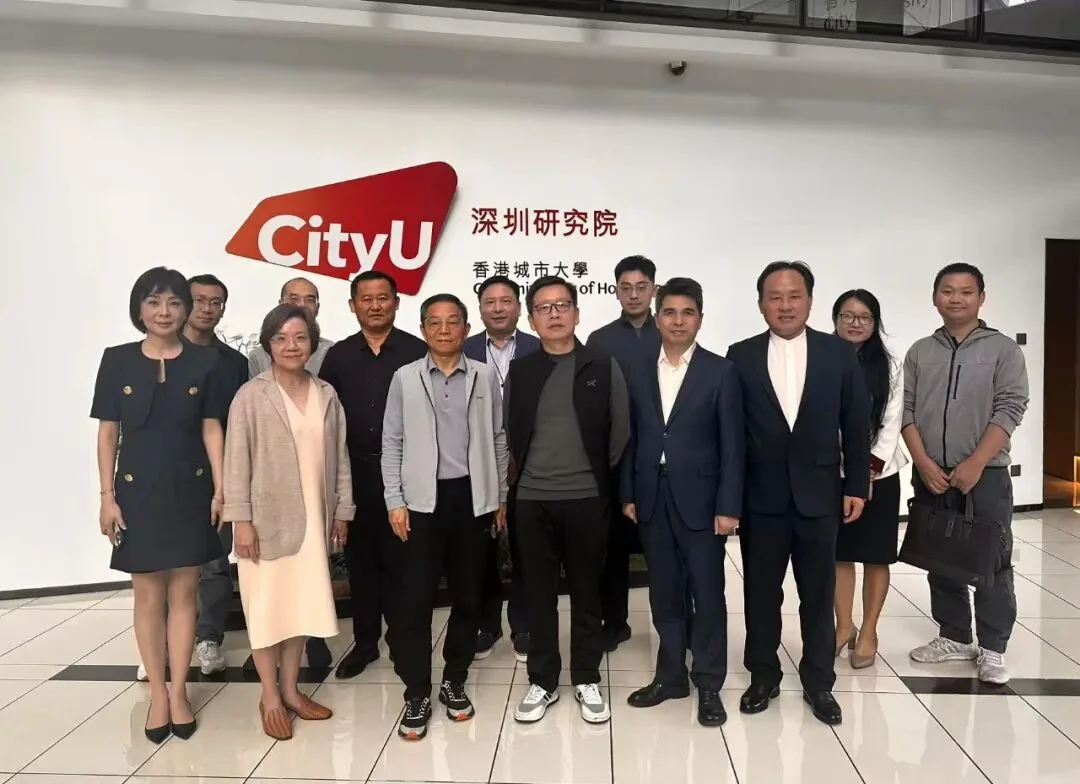
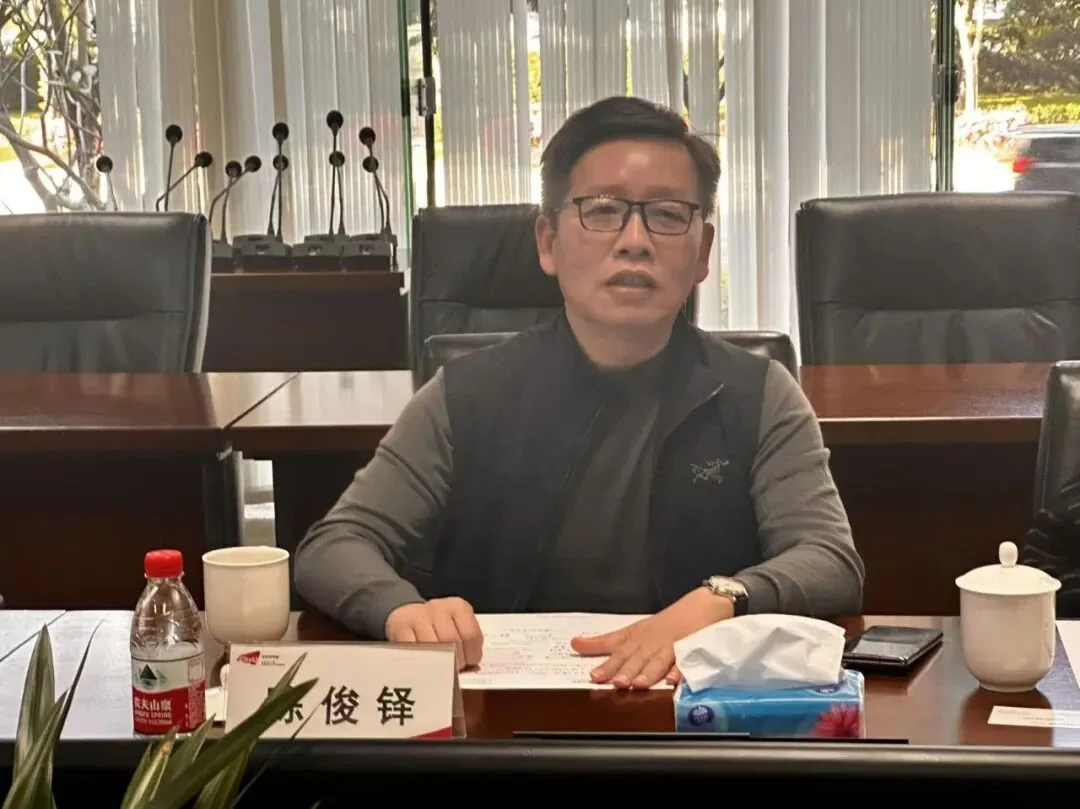
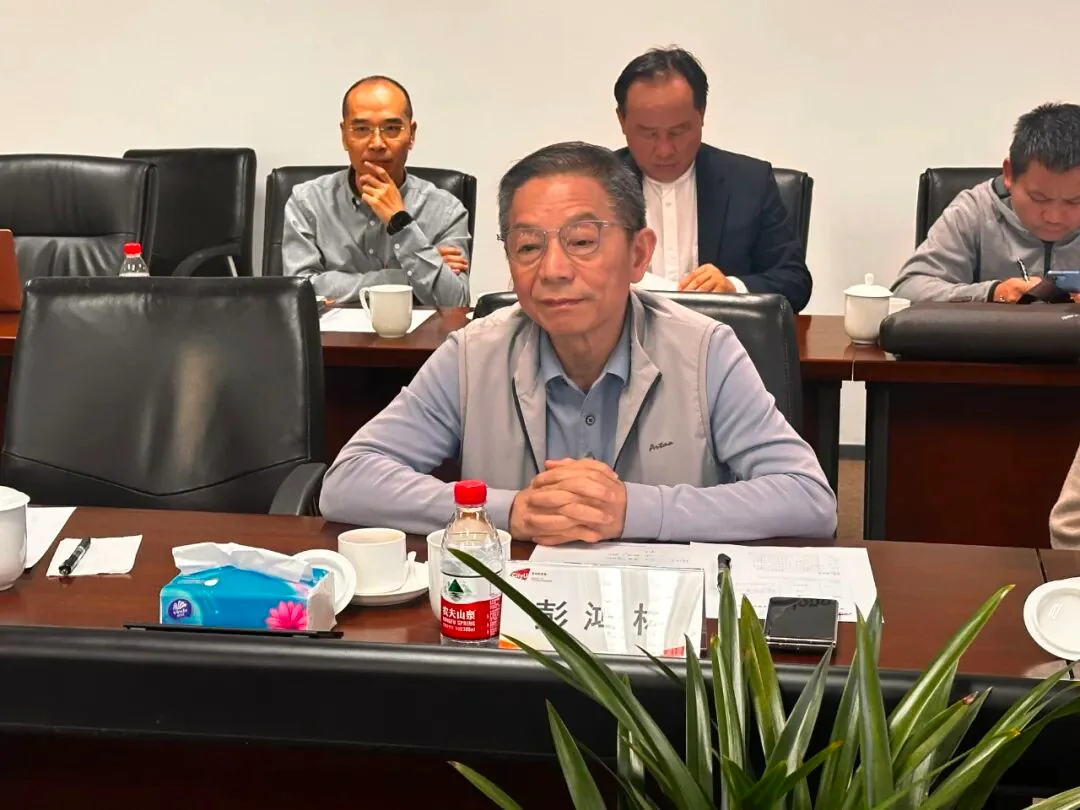
On 25 November 2025, the Shenzhen Virtual University Park Technology Transfer Promotion Association visited the City University of Hong Kong Shenzhen Research Institute as part of its presidential research-visit programme. The delegation was led by Peng Honglin, President of the association and former Chairman of Shenzhen Kunpeng Equity Investment Management Co., Ltd. Chen Junduo, Executive Vice President of the institute and an executive council member of the association, received the delegation for discussions on proof of concept, technology transfer and university–industry cooperation.
The delegation included Chen Qidong, Deputy Dean of the Hong Kong Polytechnic University Shenzhen Research Institute and Vice President of the association; Mu Weifeng, Deputy Dean of the Shenzhen Research Institute of Zhejiang University and Chair of the association’s Supervisory Board; and Zhong Chunjiang, Executive Vice President of the Xidian University Shenzhen Research Institute and an executive council member of the association. Representatives of investment and intellectual-property organisations also attended.
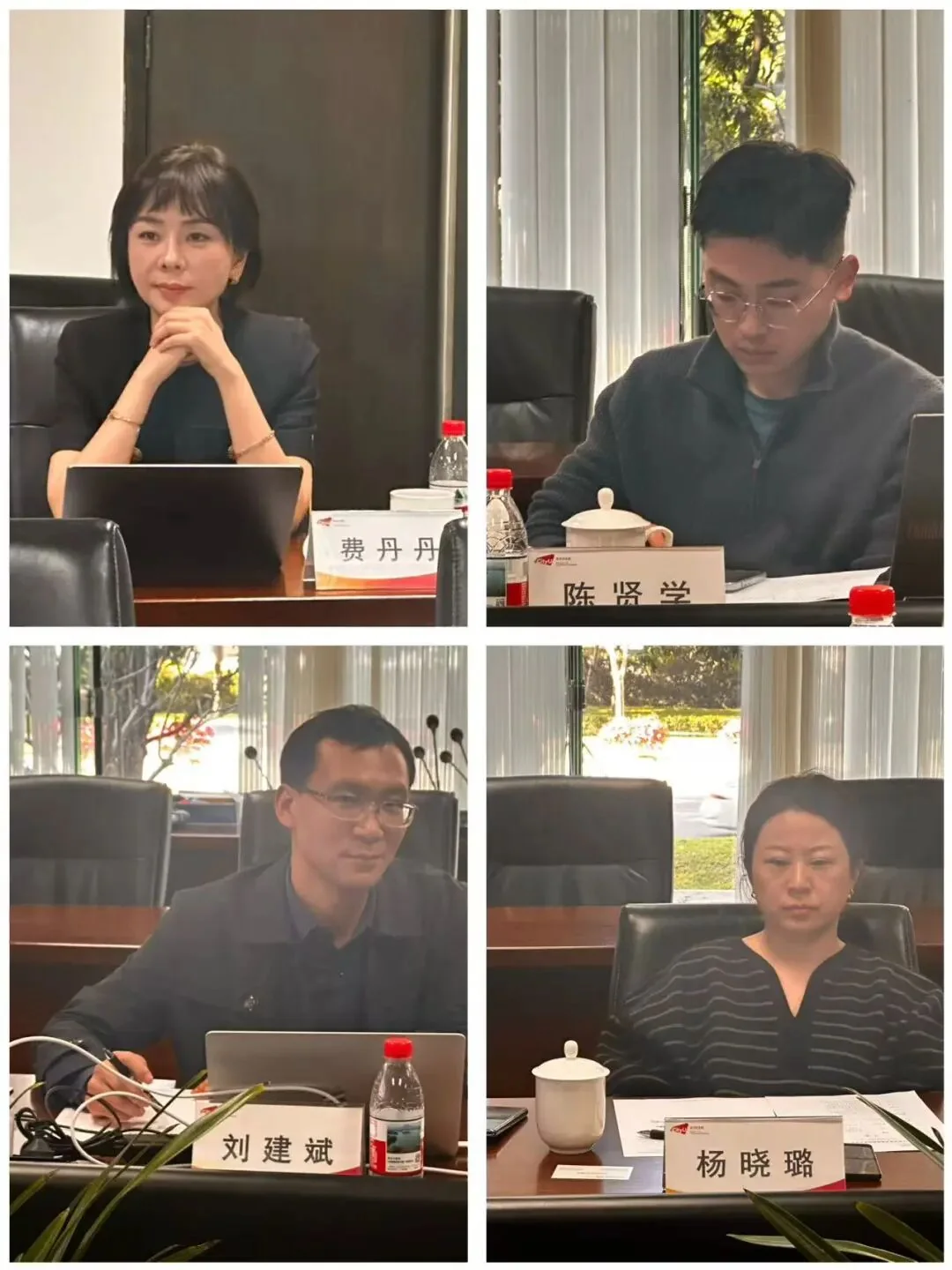
Dandan Fei, Executive Secretary-General and Chief Legal Counsel of the association and a partner at Guantao Law Firm’s Shenzhen office, joined the delegation and spoke at the meeting.
Research infrastructure and technology transfer
Liu Jianbin, Director of the institute’s Proof-of-Concept Centre, outlined the university’s research presence in Shenzhen, Chengdu, Dongguan and the Hetao Shenzhen–Hong Kong cooperation zone. He described the work of these institutions in applied research, joint doctoral training and technology transfer. Established in 2001, the Shenzhen institute supports the university’s research, project incubation and talent development in mainland China.
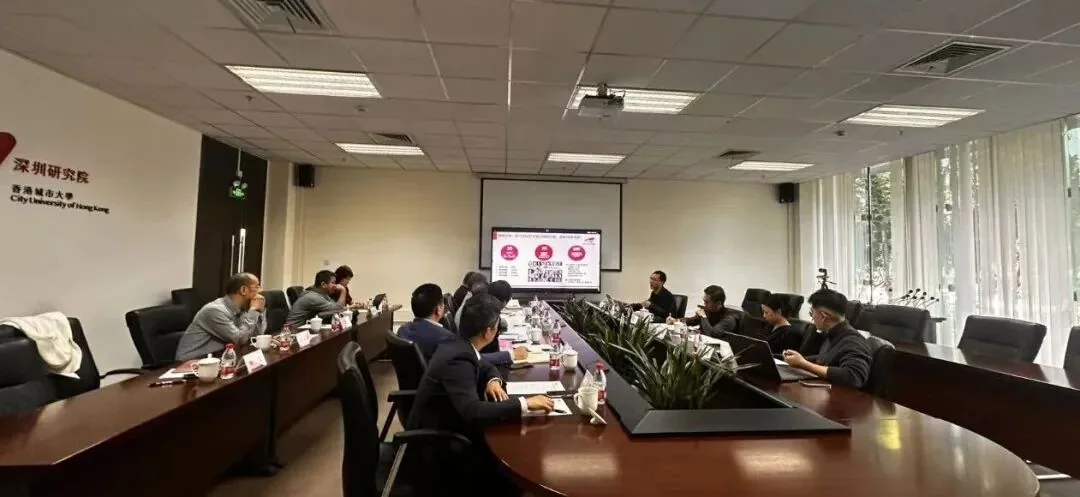
Chen Junduo explained that the university’s mainland research institutions have distinct priorities, including entrepreneurship, connections with industry and innovation education. He expressed interest in sharing resources with member universities through the association and developing further university–industry and entrepreneurship projects.
Connecting universities, businesses and investors
Peng Honglin said the association should bring together university research, business needs and investment resources to provide focused professional support. He proposed exploring shared university resources and jointly developed platforms, including cooperation on proof-of-concept centres, and using angel investment to help research results reach the market.
Chen Qidong discussed potential exchanges on policy and industry cooperation, drawing on the experience of Hong Kong Polytechnic University. Mu Weifeng proposed closer work between Zhejiang University and CityU on research projects, joint training and proof-of-concept platforms. Zhong Chunjiang reviewed Xidian University’s links with CityU and expressed interest in expanding cooperation.
Investment and professional support
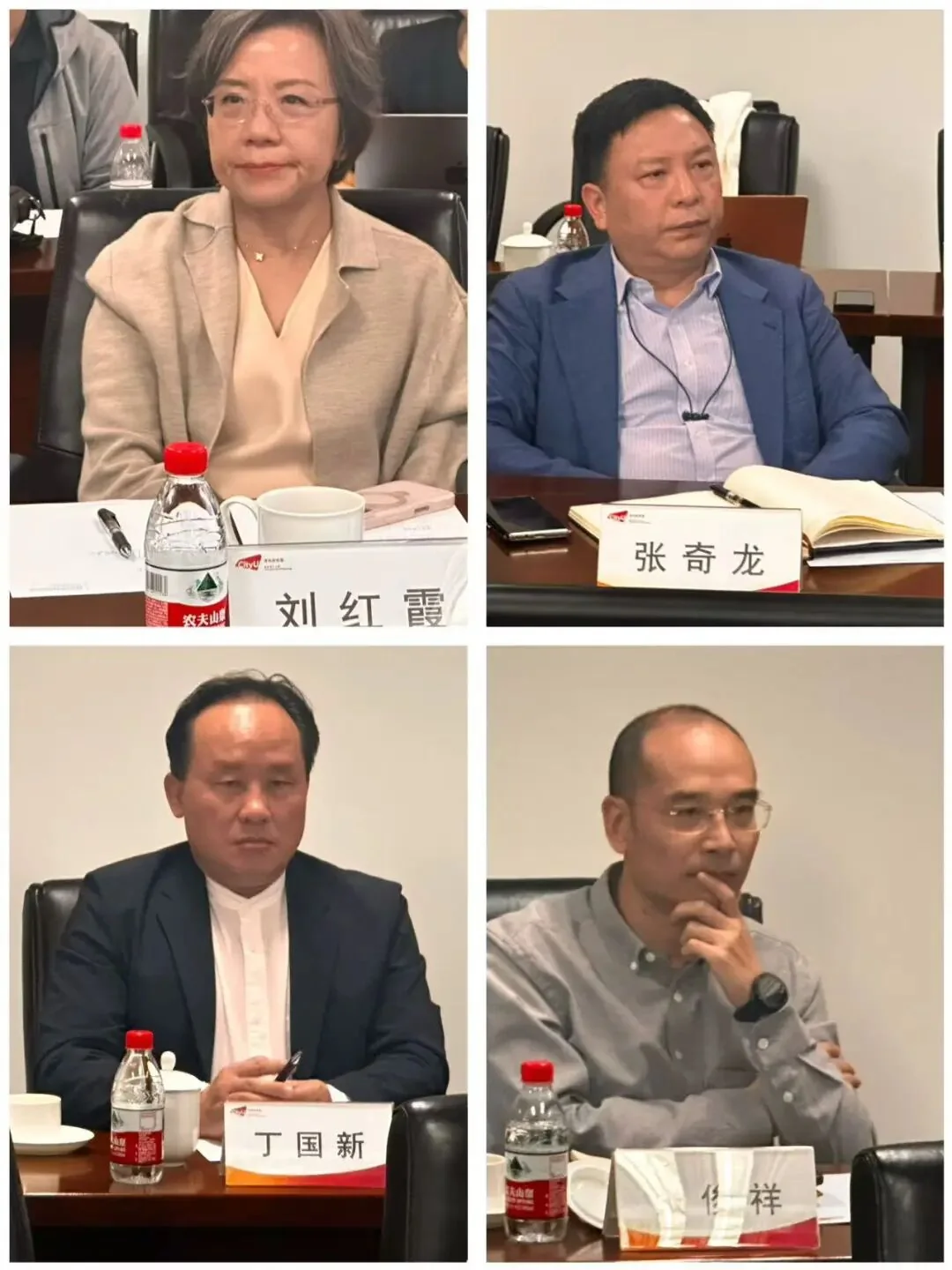
Liu Hongxia, Vice President of the association and Chair of Shenzhen Yuanshan Private Equity Investment Management Co., Ltd., discussed connecting technology-transfer projects with relevant resources. Zhang Qilong, Vice President of the association and Chairman of Shenkegang (Shenzhen) Venture Capital Co., Ltd., addressed support for entrepreneurial teams throughout their development.
Ding Guoxin, Vice President of the association and Chief Representative of the Shenzhen representative office of the US Federal Intellectual Property Firm, expressed interest in providing professional support for members taking products and projects overseas. The meeting explored connections between university research and business needs, with discussion of proof of concept, joint training, investment and professional services.